


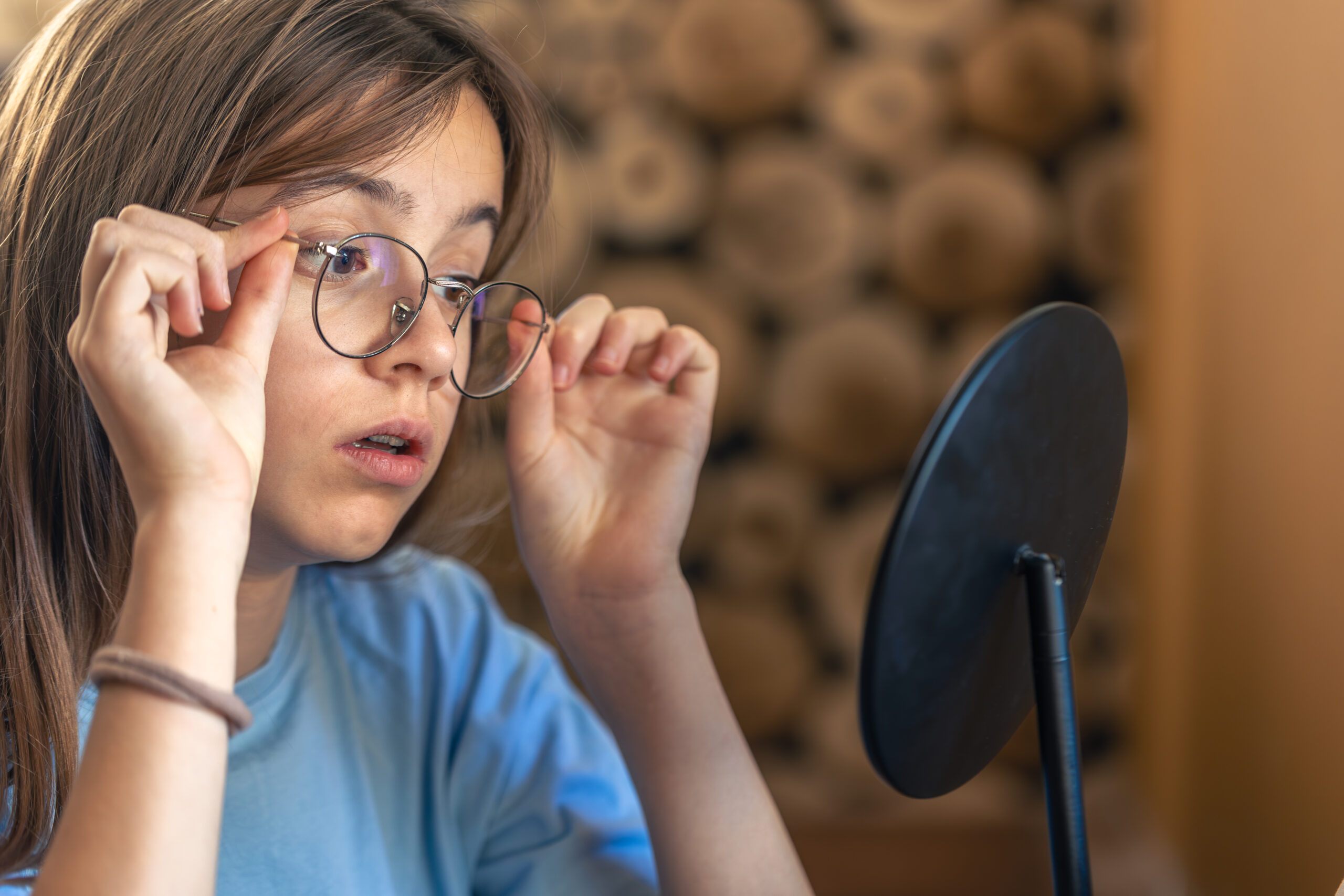
Clear vision is an important part of a child’s learning, reading, school activities and everyday development. But seeing clearly is only one part of good vision.
Some children may have difficulty with how their eyes focus, coordinate, track or work together, even when a standard eye test shows reasonably clear eyesight.
This is where vision therapy may be considered for selected visual problems.
Vision therapy generally refers to structured, supervised activities designed to develop or improve specific visual skills. Depending on the condition, programs may include monitored exercises, home activities and other tools.
At Miracle Health Care Zone Eye Clinic and Laser Clinic | Dr. Amit Motwani, children with visual concerns can receive professional eye evaluation to understand the underlying problem and determine whether vision therapy or another form of eye care may be appropriate.
What Is Vision Therapy?
Vision therapy is a structured program designed to improve certain visual skills and how the eyes work together.
Depending on the child’s specific condition, therapy may focus on skills such as:
- Eye coordination
- Focusing ability
- Eye movement control
- Visual tracking
- Convergence
- Visual comfort during near work
- Coordination between the eyes
Vision therapy is not simply a collection of random eye exercises. A suitable program should be based on an assessment of the child’s visual needs.
The American Association for Pediatric Ophthalmology and Strabismus describes vision therapy as an approach intended to develop or improve visual skills and visual comfort, with programs potentially involving supervised office and home activities.
Why Do Some Children Need Vision Therapy?
Some children may have difficulty using their eyes together efficiently even when they can read the eye chart.
For example, a child may experience difficulty with:
- Keeping both eyes working together
- Focusing on close objects
- Switching focus between distances
- Tracking words while reading
- Maintaining visual attention during near tasks
- Coordinating eye movements
These problems can sometimes become noticeable during reading, writing, classroom activities or prolonged screen use.
A comprehensive eye examination is important because similar symptoms can also be caused by refractive errors, eye alignment problems or other conditions.
Common Signs of Visual Difficulties in Children
Parents and teachers may notice certain signs when a child is experiencing visual discomfort or difficulty with specific visual skills.
Watch for:
- Frequent eye rubbing
- Headaches during reading
- Closing one eye while reading
- Losing place while reading
- Skipping words or lines
- Difficulty copying from the board
- Poor concentration during near work
- Holding books unusually close
- Avoiding reading
- Complaining of tired eyes
- Blurred or double vision
- Difficulty focusing
- Excessive blinking
- Difficulty with visually demanding activities
These symptoms do not automatically mean that a child needs vision therapy.
They may also indicate an uncorrected refractive error or another eye condition, which is why professional assessment is important.
Vision Therapy and Children
Children may not always be able to explain what is wrong with their vision.
Instead of saying, “My eyes are not coordinating properly,” they may simply say:
“Reading is difficult.”
They may also avoid books, become tired during homework or lose concentration during visually demanding tasks.
A comprehensive eye evaluation can help determine whether the problem is related to eyesight, eye coordination, focusing or another condition.
Pediatric eye specialists are trained to evaluate and manage children’s eye and vision problems.
What Problems Can Vision Therapy Help?
The evidence for vision therapy is not the same for every eye condition.
One area where evidence supports its use is convergence insufficiency, a condition in which the eyes have difficulty working together for near tasks.
Children with convergence insufficiency may experience:
- Eye strain
- Headaches
- Double vision
- Difficulty reading
- Difficulty maintaining focus on near objects
Research reviews have found evidence supporting vision therapy for convergence insufficiency, while evidence for broader uses such as learning disabilities and several other conditions remains insufficient.
Therefore, vision therapy should be recommended based on a proper diagnosis rather than as a general treatment for every learning or reading difficulty.
What Is Convergence Insufficiency?
Convergence is the ability of both eyes to turn inward and work together when looking at something close.
When convergence does not work efficiently, a child may experience difficulty with close-up activities.
Possible symptoms include:
- Headaches
- Eye strain
- Double vision
- Blurred vision
- Difficulty reading
- Losing place while reading
- Avoiding close work
If these symptoms occur regularly, an eye examination can help determine whether convergence insufficiency or another problem is present.
What Is Eye Focusing Difficulty?
The eyes need to adjust their focus when looking at objects at different distances.
Children who have difficulty with focusing may experience:
- Blurred vision
- Eye fatigue
- Difficulty changing focus
- Discomfort during reading
- Headaches after near work
An eye examination can assess whether the child’s focusing system is functioning appropriately.
What Happens During a Vision Therapy Evaluation?
Before starting any therapy program, the child’s visual system should be evaluated.
The assessment may include:
Visual Acuity
This checks how clearly the child can see at different distances.
Refraction
The eye specialist checks whether the child needs glasses for conditions such as myopia, hyperopia or astigmatism.
Eye Alignment
The examination evaluates whether the eyes are properly aligned and working together.
Eye Movement
Tracking and eye movement skills may be assessed when clinically appropriate.
Focusing Ability
The specialist may evaluate how effectively the child’s eyes focus on near objects.
Binocular Vision
This evaluates how well both eyes work together.
Convergence
The ability of the eyes to turn inward and maintain comfortable near vision may be assessed.
The exact examination depends on the child’s age, symptoms and clinical needs.
What Happens During Vision Therapy?
A vision therapy program can vary significantly from one child to another.
Depending on the identified visual problem, activities may include:
- Eye coordination exercises
- Focusing activities
- Tracking exercises
- Convergence activities
- Visual-motor tasks
- Structured near-work activities
- Home-based exercises
- Supervised visual activities
The goal is to work on specific visual skills rather than simply performing exercises without a clear diagnosis.
How Long Does Vision Therapy Take?
There is no standard duration that applies to every child.
The length of a program depends on:
- The child’s diagnosis
- Severity of the visual problem
- Response to therapy
- Frequency of sessions
- Home practice
- Clinical goals
Some programs may continue for weeks or months.
The eye-care professional can provide a more appropriate timeline after evaluating the child’s visual function.
Can Parents Do Vision Exercises at Home?
Some children may be given home activities as part of a professionally designed program.
However, parents should avoid selecting random internet exercises and assuming they will correct a child’s vision problem.
Different visual conditions require different approaches.
A structured program should be based on the child’s clinical assessment and supervised appropriately.
Vision Therapy vs Regular Eye Examination
These are not the same thing.
Regular Eye Examination
A comprehensive eye examination looks for:
- Refractive errors
- Eye health problems
- Eye alignment
- Visual acuity
- Other conditions affecting vision
Vision Therapy Assessment
A vision therapy assessment may focus more specifically on visual skills such as:
- Eye coordination
- Focusing
- Convergence
- Tracking
- Binocular vision
A child may need glasses, medical treatment, patching, surgery or another intervention instead of vision therapy depending on the diagnosis.
This is why proper assessment should come before treatment.
Does Vision Therapy Improve Eyesight?
Vision therapy is not simply a method for making a child see more letters on an eye chart.
Its purpose is to address selected visual skills or functional problems.
For example, evidence supports vision therapy for convergence insufficiency, but there is insufficient evidence for using vision therapy broadly to treat learning disabilities or every type of visual problem.
Parents should therefore have realistic expectations and discuss the specific diagnosis and treatment goals with an eye specialist.
Vision Therapy and Screen Time
Children today spend considerable time using:
- Smartphones
- Tablets
- Computers
- Gaming devices
- Digital classrooms
Prolonged near work and screen use can contribute to visual discomfort and eye fatigue.
Parents can encourage healthy visual habits by:
- Taking regular breaks
- Encouraging children to blink
- Maintaining an appropriate viewing distance
- Avoiding very close screen viewing
- Balancing screen use with outdoor activities
- Maintaining appropriate lighting
Screen-related discomfort does not automatically mean that a child requires vision therapy.
If symptoms persist, an eye examination can help identify the actual cause.
Why Early Eye Evaluation Matters
Children’s visual systems develop during childhood, making early identification of certain eye problems important.
Uncorrected refractive errors and conditions such as amblyopia can affect visual development. Indian pediatric eye-care consensus recommendations emphasize appropriate pediatric eye examination, refraction and management of amblyopia.
Early evaluation can help identify whether a child needs:
- Glasses
- Patching
- Medical treatment
- Orthoptic or vision therapy
- Further specialist assessment
- Monitoring
The earlier the underlying problem is identified, the sooner an appropriate treatment plan can be considered.
Who May Benefit From a Vision Therapy Evaluation?
A professional evaluation may be considered if a child repeatedly experiences:
- Difficulty reading
- Eye strain
- Headaches during near work
- Double vision
- Difficulty focusing
- Difficulty keeping both eyes working together
- Problems tracking while reading
- Visual discomfort during schoolwork
- Difficulty with visually demanding tasks
Again, these symptoms do not automatically indicate that vision therapy is required.
The first step should be a comprehensive eye examination.
Vision Therapy for Children in Pune
If you are looking for vision therapy for kids, children’s eye care, or an eye specialist for your child, professional assessment can help determine what type of visual support may actually be needed.
At Miracle Health Care Zone Eye Clinic and Laser Clinic | Dr. Amit Motwani, children with visual concerns can receive an eye evaluation based on their age, symptoms and individual needs.
The assessment can help parents understand whether their child’s difficulty is related to:
- Refractive error
- Focusing
- Eye coordination
- Convergence
- Eye alignment
- Amblyopia
- Another eye condition
Based on the findings, an appropriate treatment or management plan can be discussed.
How Parents Can Support Children’s Eye Health
Parents can encourage healthy visual habits at home.
Encourage Regular Breaks
Children should take breaks during prolonged reading and screen activities.
Encourage Outdoor Activity
Balance screen-based activities with outdoor play and physical activity.
Maintain Good Lighting
Children should read and study in comfortable, adequate lighting.
Watch for Warning Signs
Pay attention to squinting, eye rubbing, headaches, double vision or reading difficulties.
Do Not Ignore Complaints
If a child repeatedly says that their eyes hurt or that they cannot see clearly, arrange an eye examination.
Follow the Prescribed Treatment
If glasses, patching, exercises or another treatment is recommended, follow the eye specialist’s instructions carefully.
Conclusion
Vision therapy is a specialized approach that may help selected children with specific visual skill problems, particularly conditions involving eye coordination and convergence.
It should not be treated as a universal solution for poor eyesight, learning difficulties or every childhood eye problem.
The most important first step is understanding why your child is experiencing difficulty.
A comprehensive eye examination can identify refractive errors, eye alignment problems, focusing difficulties, amblyopia and other conditions that may affect visual performance.
If you are looking for vision therapy, children’s eye care or an eye specialist for your child, consult Miracle Health Care Zone Eye Clinic and Laser Clinic | Dr. Amit Motwani for an appropriate evaluation.
Book a Child Eye Consultation to Understand Your Child’s Vision Needs.
Frequently Asked Questions
1. What is vision therapy?
Vision therapy is a structured program intended to improve selected visual skills, such as eye coordination, focusing or convergence. It may include supervised and home-based activities.
2. Is vision therapy suitable for every child?
No. Vision therapy is not appropriate for every child or every eye condition. A professional assessment should determine whether it is suitable.
3. Can vision therapy treat learning disabilities?
Vision therapy should not be presented as a general treatment for learning disabilities. Evidence for using it for learning disabilities is insufficient.
4. Can vision therapy help convergence insufficiency?
Vision therapy can be useful for convergence insufficiency, which is one of the areas with stronger evidence for this type of treatment.
5. Does my child need glasses or vision therapy?
It depends on the examination. Some children need glasses, while others may require treatment for eye coordination or focusing problems. Some may need both.
6. How long does vision therapy take?
The duration varies depending on the child’s condition, treatment goals and response to therapy. Some programs continue for weeks or months.
7. Can vision exercises be done at home?
Some children may receive home exercises as part of a professionally planned program. Parents should follow the activities recommended by their eye-care professional.
8. When should I take my child for an eye examination?
If your child has difficulty reading, headaches during near work, blurred or double vision, frequent eye rubbing, squinting or other visual concerns, a comprehensive eye examination is recommended.